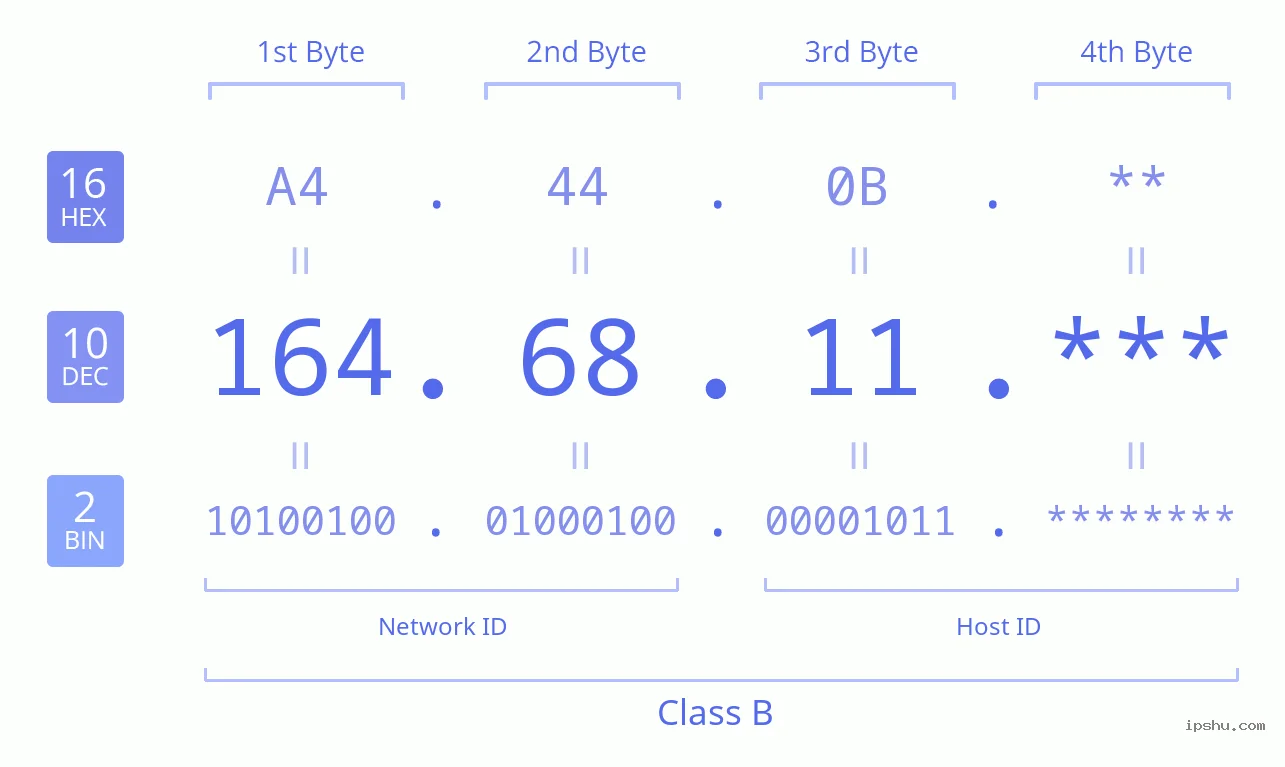
What Is 164.68.1111.161?
At first glance, 164.68.1111.161 resembles an IPv4 address. However, IPv4 addresses must follow the pattern:
A.B.C.D
with each block (octet) ranging from 0–255.
Here, the third block is 1111, which is outside the valid range — meaning this is not a real or routable IP address. It cannot exist on the internet or local networks.
Why Does 164.68.1111.161 Appear Online?
Even though it’s not valid, this type of string may show up for several reasons:
1. Typographical Errors
Someone may have intended to type an IP like 164.68.111.161 or 164.68.11.161 but added an extra digit.
2. Misconfigured Scripts or Tools
Poorly written network scripts or scanners sometimes output malformed addresses.
3. Fake or Masked IPs in Logs
Some malware, bots, or anonymizers intentionally use invalid IPs to:
- Disrupt tracking
- Trick security tools
- Generate noise in logs
4. Testing and Placeholder Data
Developers may use invalid IPs like this for mock data or testing environments.
If You Saw 164.68.1111.161 in Your Server Logs
Seeing this in a server access log might signal:
- A malformed request
- Potential bot or crawler activity
- Attempted brute-force or scanning
- A parsing error in your logging system
Recommended action:
Check for unusual activity around the timestamp
Enable or review firewall rules
Verify that your log parser is functioning correctly
Block suspicious IP ranges if needed
Correcting the IP — Possible Intended Versions
If you suspect the address was meant to be a valid IP, common corrected forms might be:
These are valid IPv4 addresses and may correspond to servers hosted by various providers.
Is 164.68.1111.161 Dangerous?
The string itself is harmless. But the context matters.
If it appears in:
Security logs
It may indicate automated attacks, bots, or malformed probing requests.
Network debugging tools
It’s likely a parsing or input error.
Email headers or analytics
It might be used intentionally to hide real origins.
How to Prevent Invalid IP Issues
Here are some best practices:
1. Validate Input
Ensure network apps accept only properly formatted IPs.
2. Use Strong Logging Tools
Modern analyzers can detect malformed addresses and categorize them as noise or threats.
3. Implement Rate-Limiting
Stop bots and automated scanners from flooding logs with junk entries.
4. Keep Security Software Updated
A good firewall or IDS (Intrusion Detection System) flags these anomalies automatically.
Conclusion
Although 164.68.1111.161 is not a valid IP address, its appearance often raises questions — especially in technical logs or network environments. Whether it comes from a typo, a faulty script, or a suspicious source, understanding the nature of invalid IPs helps you maintain security, accuracy, and efficiency in your systems.